
Process Type – I
1Degreasing / Drying 2Shot Blasting3Coating & Curing4Curing Process5Final Inspection6Testing Facilities
Degreasing / Drying
Chemical Pre-Treatment – Preparing for Perfection
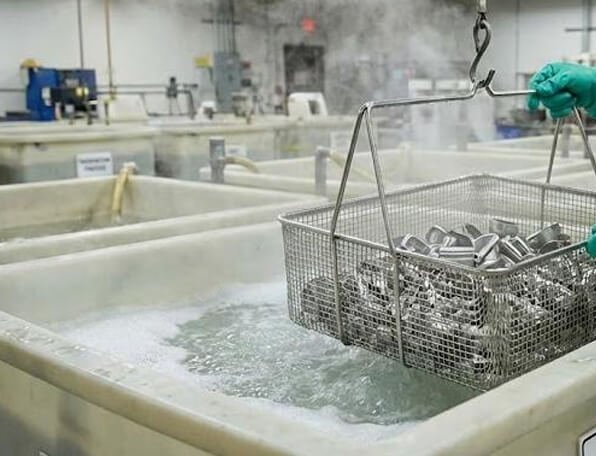
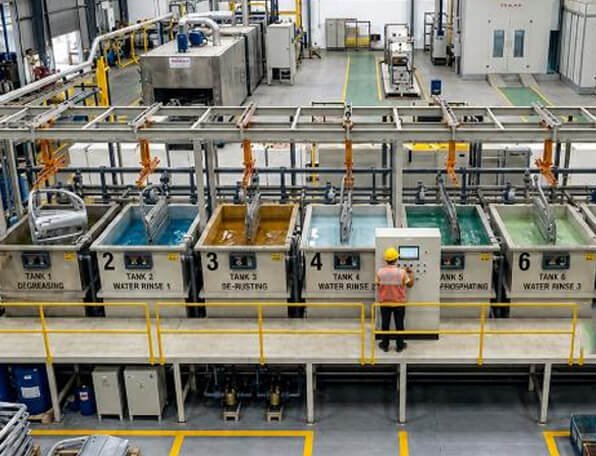
Proper surface preparation is essential for achieving a durable, high-performance zinc flake coating. Our chemical pre-treatment process removes contaminants, improves coating consistency, and prepares metal surfaces for optimal adhesion. Unlike conventional electroplating, zinc flake coatings avoid the electroplating-related risk of hydrogen embrittlement, making them suitable for high-strength steel fasteners.
- Alkaline Cleaning : Effectively removes oils, grease, dirt, and other surface contaminants.
- Solvent Cleaning : Dissolves stubborn organic residues to ensure a clean, coating-ready surface.
- Rinsing : Removes residual cleaning chemicals and prevents contamination of subsequent processes.
- Optional Corrosion Inhibitors : Helps prevent flash rust formation during intermediate processing when required.
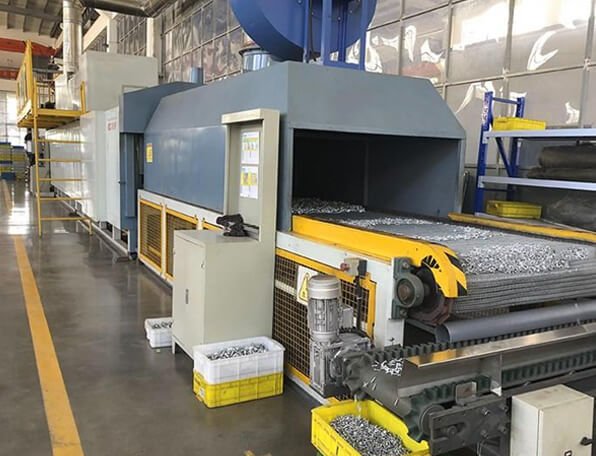
- Controlled Drying : Eliminates residual moisture and ensures the surface is ready for the zinc flake coating application.
Shot Blasting
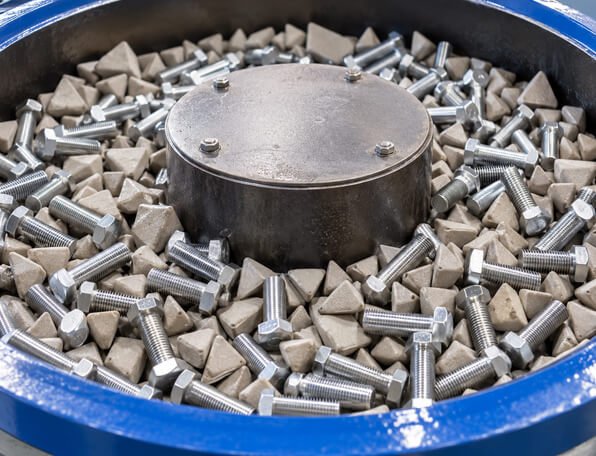
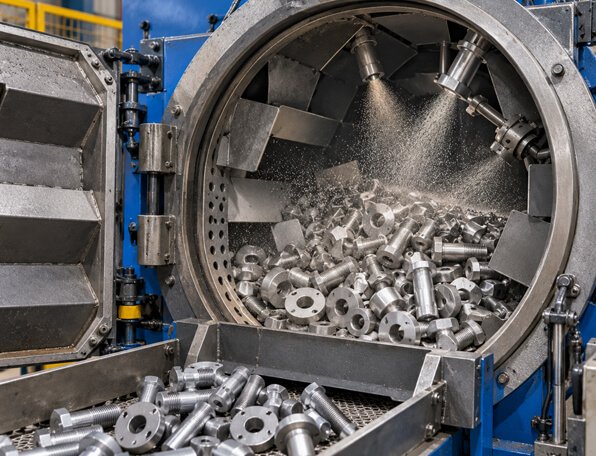
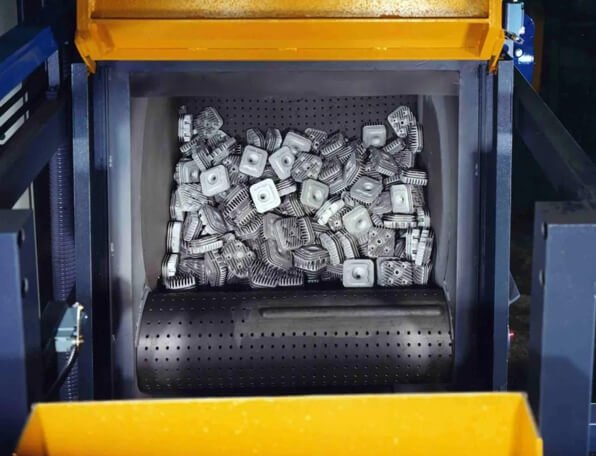
Mechanical Pre-Treatment – Shot Blasting Methods
Proper surface preparation is essential for achieving a durable, high-performance zinc flake coating. Our chemical pre-treatment process removes contaminants, improves coating consistency, and prepares metal surfaces for optimal adhesion. Unlike conventional electroplating, zinc flake coatings avoid the electroplating-related risk of hydrogen embrittlement, making them suitable for high-strength steel fasteners.
- Table Type Shot Blasting : Uniform surface preparation, consistent cleaning, and efficient material handling.
- Hanger Type Shot Blasting : Multi-angle cleaning with reduced part-to-part contact.
- Tumble Type Shot Blasting : High production efficiency and consistent surface cleaning for bulk components.
- Sandblasting : Effective contaminant removal, controlled surface texture, and improved coating adhesion.
Coating & Curing
Coating & Curing – Protection That Lasts
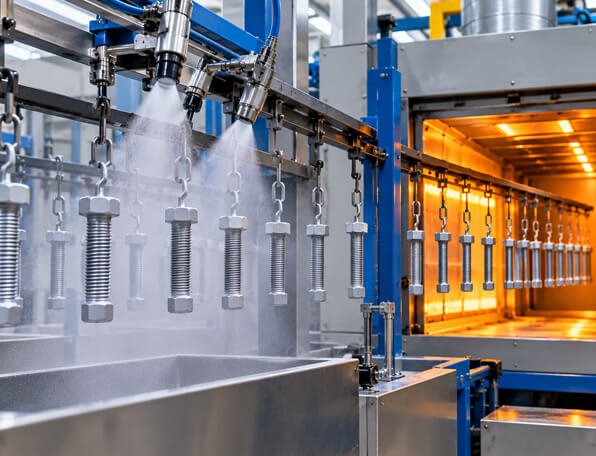
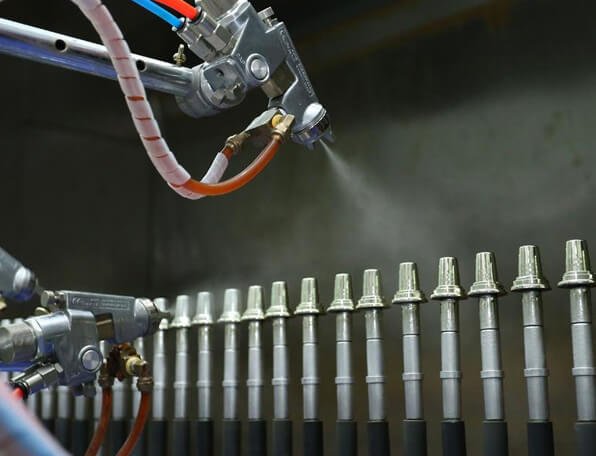
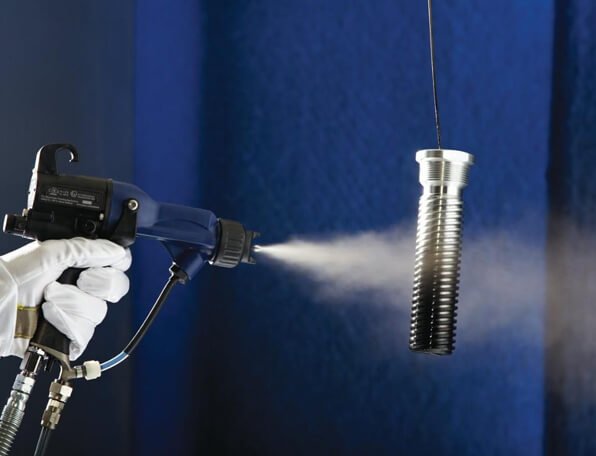
Our coating and curing process delivers durable corrosion protection and consistent performance for high-strength fasteners and industrial components. Zinc flake coatings are applied using controlled techniques to achieve uniform coverage, followed by precisely managed curing to develop the coating’s protective properties and long-term durability.
- Coating Application : Zinc flake coating is applied using suitable methods, such as dip-spin or spray coating, depending on component geometry, size, and production requirements.
- Uniform Coverage : Carefully controlled application ensures consistent coating distribution, helping protect complex shapes, edges, and critical surfaces.
- Controlled Curing : Coated components are cured according to the coating manufacturer’s specified time and temperature requirements to develop the required performance characteristics.
- Quality Inspection : Finished components are inspected for coating appearance, thickness, coverage, and compliance with applicable specifications.
Curing Process
Curing Process – Ensuring Lasting Performance
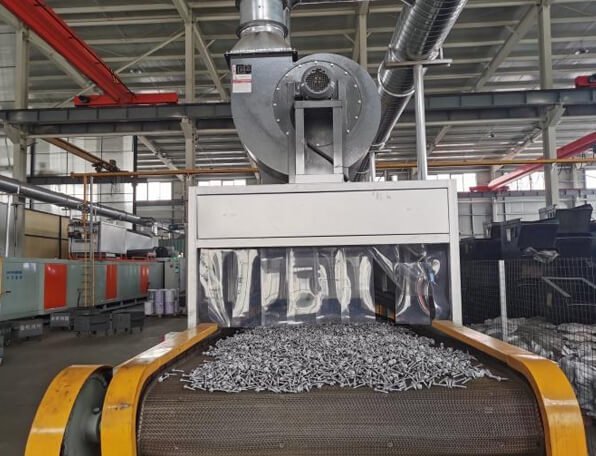
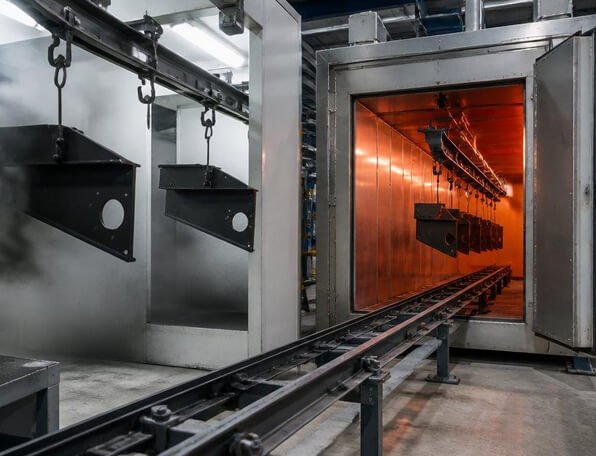
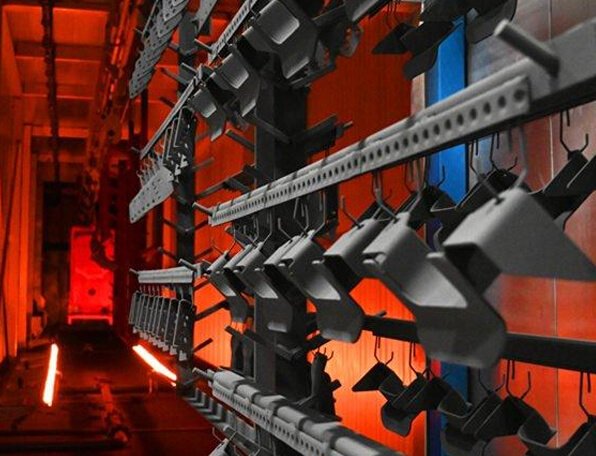
The curing process is a critical stage in zinc flake coating, helping the applied coating develop its required protective properties, adhesion, and durability. Components are processed in controlled curing ovens according to the coating manufacturer’s specified time and temperature parameters, ensuring consistent results and reliable corrosion protection.
- Controlled Temperature : Maintains the specified curing temperature to support proper coating development and consistent performance.
- Precise Curing Time : Ensures components receive the required curing duration based on the coating system and technical specifications.
- Uniform Heat Distribution : Promotes consistent curing across batches, helping minimize variations in coating performance.
- Quality Verification : Cured components are inspected to verify coating appearance, adhesion, and compliance with applicable quality requirements.
Final Inspection
Final Inspection – Quality You Can Trust
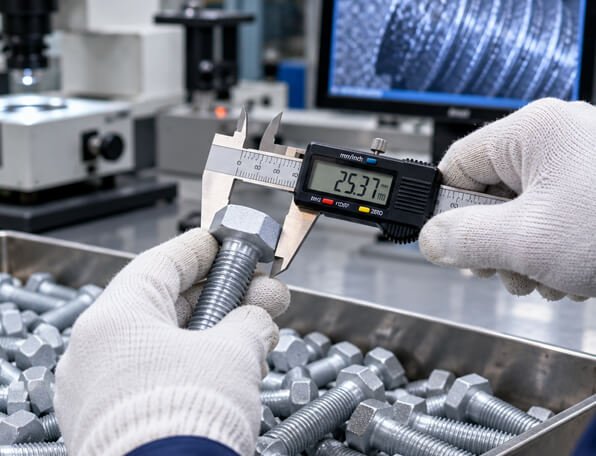
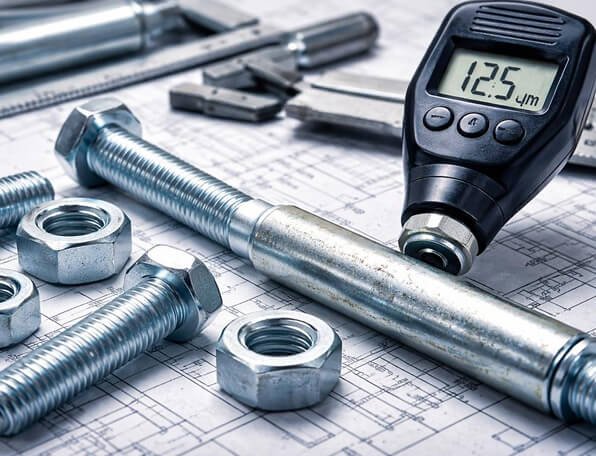
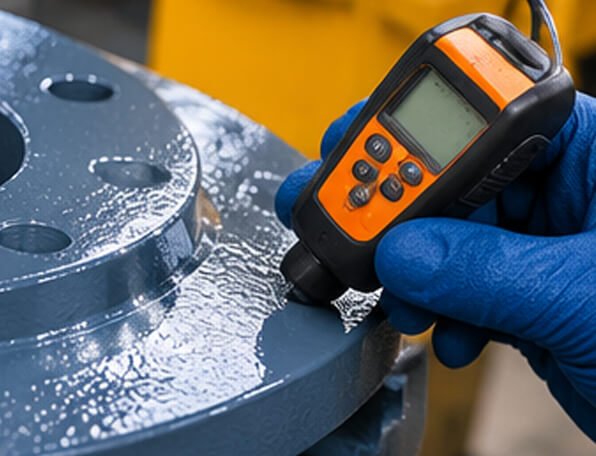
Every zinc flake-coated component undergoes a thorough final inspection to ensure consistent quality, reliable corrosion protection, and compliance with customer specifications. Our quality control process verifies coating thickness, surface finish, coverage, and overall component condition before packaging and dispatch.
- Coating Thickness Measurement : Verifies that the applied coating meets the specified thickness requirements without compromising component dimensions or functionality.
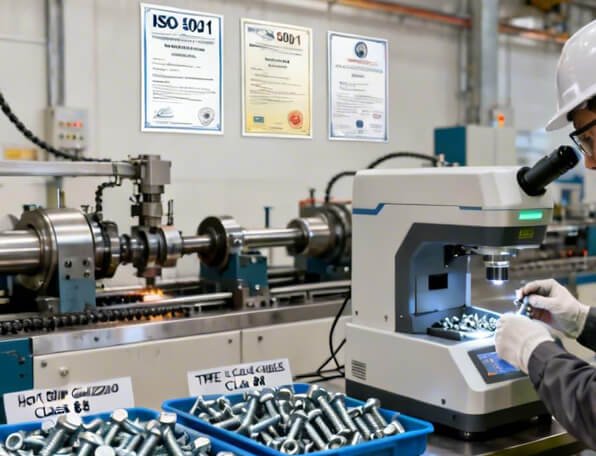
- Visual Inspection : Checks for uniform coating coverage, consistent appearance, and visible defects such as peeling, cracks, or uneven finishes.
- Adhesion Testing : Evaluates coating adhesion to help ensure the coating remains securely bonded to the component surface.
- Corrosion Resistance Verification : Assesses corrosion protection against applicable standards and customer requirements using appropriate testing methods, such as salt spray testing.
- Dimensional & Functional Checks : Ensures critical dimensions, threads, and functional features remain within specified tolerances.
- Final Approval & Packaging : Approved components are carefully handled and packaged to prevent damage or contamination during storage and transportation.
Testing Facilities
Testing Facilities – Ensuring Quality & Performance
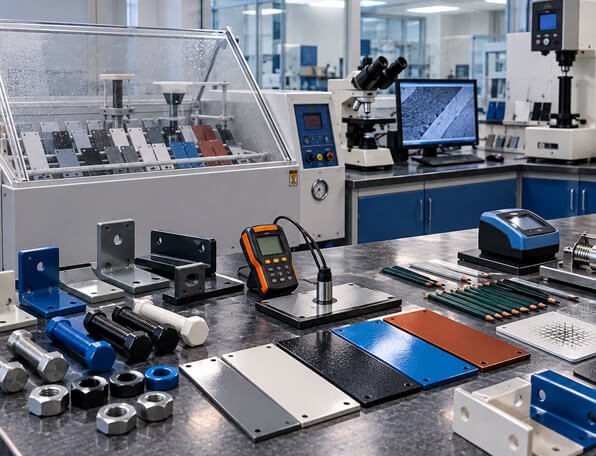
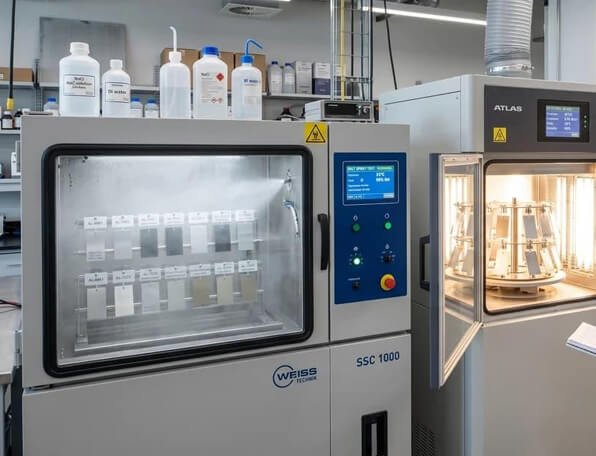
Our testing facilities are focused on verifying the quality, durability, and corrosion resistance of zinc flake-coated components. Through systematic inspection and performance testing, we help ensure that finished products meet applicable industry standards, customer specifications, and quality requirements.
- Coating Thickness Testing : Measures coating thickness to verify compliance with specified requirements and maintain consistent coating performance.
- Salt Spray Testing : Evaluates corrosion resistance under controlled salt spray conditions in accordance with applicable testing standards and customer requirements.
- Adhesion Testing : Assesses the coating’s ability to remain bonded to the component surface during handling and service.
- Visual Inspection : Checks surface finish, coating uniformity, coverage, and visible defects to maintain consistent product quality.
- Dimensional Inspection : Verifies critical dimensions, thread profiles, and functional tolerances to ensure component usability after coating.
- Quality Documentation : Maintains inspection records and test reports to support traceability, quality assurance, and customer requirements.
- Our Commitment : Delivering reliable testing, consistent coating quality, and confidence in the performance of every finished component.
Process Type – II
1Degreasing / Drying 2Phosphating3Coating & Curing4Curing Process5Final Inspection6Testing Facilities
Degreasing / Drying
Chemical Pre-Treatment – Preparing for Perfection
Proper surface preparation is essential for achieving a durable, high-performance zinc flake coating. Our chemical pre-treatment process removes contaminants, improves coating consistency, and prepares metal surfaces for optimal adhesion. Unlike conventional electroplating, zinc flake coatings avoid the electroplating-related risk of hydrogen embrittlement, making them suitable for high-strength steel fasteners.
- Alkaline Cleaning : Effectively removes oils, grease, dirt, and other surface contaminants.
- Solvent Cleaning : Dissolves stubborn organic residues to ensure a clean, coating-ready surface.
- Rinsing : Removes residual cleaning chemicals and prevents contamination of subsequent processes.
- Optional Corrosion Inhibitors : Helps prevent flash rust formation during intermediate processing when required.
- Controlled Drying : Eliminates residual moisture and ensures the surface is ready for the zinc flake coating application.
Phosphating Process
Phosphating Process – The Foundation of Superior Coating
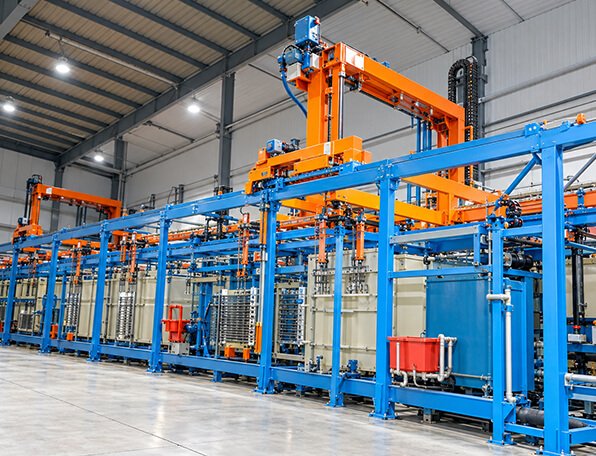
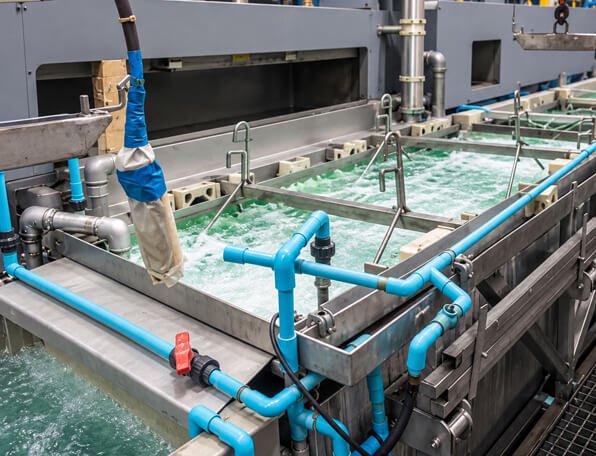
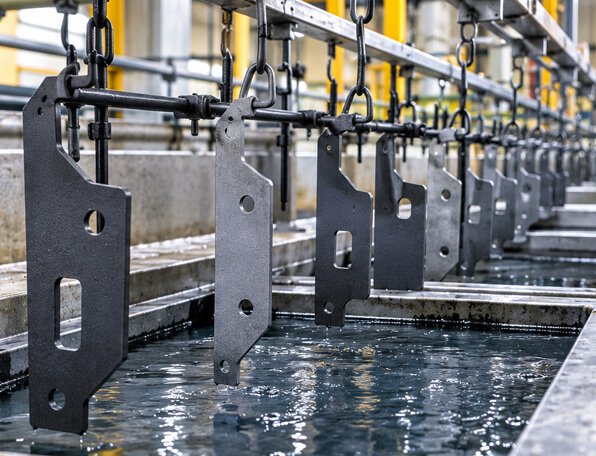
Phosphating is a chemical surface treatment process used to improve corrosion resistance, coating adhesion, and surface durability of metal components. The process forms a protective phosphate conversion layer on metal surfaces, making them suitable for painting, powder coating, and other industrial finishing applications.
- Surface Cleaning : Removes oil, grease, dust, and other contaminants from metal components.
- Rinsing : Cleans the surface to remove residual chemicals and impurities.
- Phosphating Treatment : Applies a phosphate chemical solution to form a uniform conversion coating on the metal surface.
- Final Rinsing : Removes excess phosphate solution and chemical residues.
- Drying : Dries the treated components to prepare them for subsequent coating or finishing processes.
- Quality Inspection : Checks coating uniformity, surface condition, and treatment quality.
Coating & Curing
Coating & Curing – Protection That Lasts
Our coating and curing process delivers durable corrosion protection and consistent performance for high-strength fasteners and industrial components. Zinc flake coatings are applied using controlled techniques to achieve uniform coverage, followed by precisely managed curing to develop the coating’s protective properties and long-term durability.
- Coating Application : Zinc flake coating is applied using suitable methods, such as dip-spin or spray coating, depending on component geometry, size, and production requirements.
- Uniform Coverage : Carefully controlled application ensures consistent coating distribution, helping protect complex shapes, edges, and critical surfaces.
- Controlled Curing : Coated components are cured according to the coating manufacturer’s specified time and temperature requirements to develop the required performance characteristics.
- Quality Inspection : Finished components are inspected for coating appearance, thickness, coverage, and compliance with applicable specifications.
Curing Process
Curing Process – Ensuring Lasting Performance
The curing process is a critical stage in zinc flake coating, helping the applied coating develop its required protective properties, adhesion, and durability. Components are processed in controlled curing ovens according to the coating manufacturer’s specified time and temperature parameters, ensuring consistent results and reliable corrosion protection.
- Controlled Temperature : Maintains the specified curing temperature to support proper coating development and consistent performance.
- Precise Curing Time : Ensures components receive the required curing duration based on the coating system and technical specifications.
- Uniform Heat Distribution : Promotes consistent curing across batches, helping minimize variations in coating performance.
- Quality Verification : Cured components are inspected to verify coating appearance, adhesion, and compliance with applicable quality requirements.
Final Inspection
Final Inspection – Quality You Can Trust
Every zinc flake-coated component undergoes a thorough final inspection to ensure consistent quality, reliable corrosion protection, and compliance with customer specifications. Our quality control process verifies coating thickness, surface finish, coverage, and overall component condition before packaging and dispatch.
- Coating Thickness Measurement : Verifies that the applied coating meets the specified thickness requirements without compromising component dimensions or functionality.
- Visual Inspection : Checks for uniform coating coverage, consistent appearance, and visible defects such as peeling, cracks, or uneven finishes.
- Adhesion Testing : Evaluates coating adhesion to help ensure the coating remains securely bonded to the component surface.
- Corrosion Resistance Verification : Assesses corrosion protection against applicable standards and customer requirements using appropriate testing methods, such as salt spray testing.
- Dimensional & Functional Checks : Ensures critical dimensions, threads, and functional features remain within specified tolerances.
- Final Approval & Packaging : Approved components are carefully handled and packaged to prevent damage or contamination during storage and transportation.
Testing Facilities
Testing Facilities – Ensuring Quality & Performance
Our testing facilities are focused on verifying the quality, durability, and corrosion resistance of zinc flake-coated components. Through systematic inspection and performance testing, we help ensure that finished products meet applicable industry standards, customer specifications, and quality requirements.
- Coating Thickness Testing : Measures coating thickness to verify compliance with specified requirements and maintain consistent coating performance.
- Salt Spray Testing : Evaluates corrosion resistance under controlled salt spray conditions in accordance with applicable testing standards and customer requirements.
- Adhesion Testing : Assesses the coating’s ability to remain bonded to the component surface during handling and service.
- Visual Inspection : Checks surface finish, coating uniformity, coverage, and visible defects to maintain consistent product quality.
- Dimensional Inspection : Verifies critical dimensions, thread profiles, and functional tolerances to ensure component usability after coating.
- Quality Documentation : Maintains inspection records and test reports to support traceability, quality assurance, and customer requirements.
- Our Commitment : Delivering reliable testing, consistent coating quality, and confidence in the performance of every finished component.